Composting at home is a rewarding way to reduce household waste and create nutrient-rich soil for your garden. Whether you have a large backyard or a small balcony, composting can fit your lifestyle. If you’re new to composting, this guide will walk you through simple tips to get started and keep your compost healthy.
What Is Composting?
Composting is the natural process of breaking down organic materials, like food scraps and yard waste, into a dark, crumbly substance called humus. This humus enriches soil, helping plants grow better. Instead of sending food waste to a landfill where it produces methane, composting recycles it into something valuable.
Why Compost at Home?
– Reduces Waste: Composting cuts down the amount of food and yard scraps you throw away.
– Promotes Healthy Soil: Compost improves soil texture, moisture retention, and nutrient content.
– Saves Money: Rich compost can reduce or eliminate the need for chemical fertilizers.
– Supports Environment: Composting lowers greenhouse gas emissions and encourages sustainable gardening.
Getting Started: Choosing a Compost Bin
Types of Compost Bins
– Outdoor Bins: Large, enclosed bins are great for backyards. They help contain mess and pests.
– Tumbler Bins: These bins can be rotated to aerate the compost easily, speeding up the process.
– Indoor Composters: Worm bins or Bokashi systems are ideal for apartments or places without outdoor space.
Location Tips
– Place your bin in a convenient, well-drained spot with some shade.
– Avoid overly sunny or dry areas to keep compost moist.
What to Compost: The Basics
Browns (Carbon-rich materials)
– Dry leaves
– Straw or hay
– Cardboard pieces
– Paper towels (unbleached)
– Sawdust from untreated wood
Greens (Nitrogen-rich materials)
– Fruit and vegetable scraps
– Coffee grounds and filters
– Tea bags (without synthetic materials)
– Grass clippings
– Fresh plant trimmings
What to Avoid
– Meat, dairy, and oily foods (can attract pests)
– Pet waste (may contain harmful pathogens)
– Diseased plants or weeds with seeds
– Non-biodegradable materials (plastic, metal)
Building Your Compost Pile
- **Layer Browns and Greens:** Start with a layer of browns, then add greens, alternating to balance moisture and airflow.
- **Chop or Shred Materials:** Smaller pieces break down faster, so chop large scraps.
- **Maintain Moisture:** Compost should feel like a damp sponge — not too wet or dry.
- **Turn or Stir Regularly:** Aerate the pile every 1-2 weeks to speed decomposition and reduce odor.
Troubleshooting Common Issues
Compost Smells Bad
– Too wet or too many greens compared to browns.
– Solution: Add more dry browns and turn the pile to introduce air.
Compost Is Too Dry
– Lack of moisture slows decomposition.
– Solution: Sprinkle water and mix to moisten evenly.
Pests Are Attracted
– Meat or oily food in compost.
– Open bin without a lid.
– Solution: Avoid problematic foods and use a closed bin or cover the pile.
Compost Isn’t Breaking Down
– Materials too large or imbalanced.
– Solution: Chop scraps smaller and maintain a balance of greens and browns.
Using Finished Compost
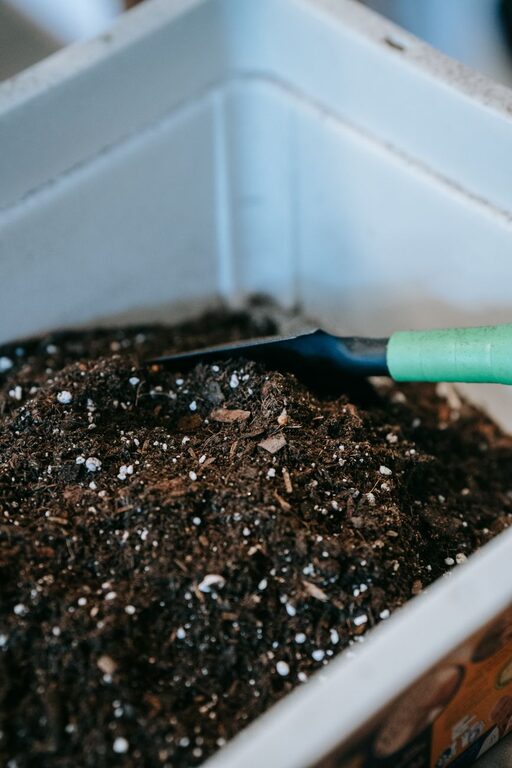
Compost is ready when it looks dark, crumbly, and smells earthy. Here’s how to use it:
– Mix into garden beds before planting.
– Use as mulch around plants to conserve moisture.
– Add to potted plants for extra nutrients.
– Top-dress lawns for soil improvement.
Additional Tips for Success
– Collect food scraps in a small countertop container to make composting easy.
– Keep a compost journal to track what you add and how your pile behaves.
– Consider adding worms for a faster, richer compost (vermicomposting).
– Be patient! Composting can take a few months but is well worth the effort.
Final Thoughts
Starting a compost bin at home doesn’t have to be complicated. By following these beginner tips, you can reduce waste, improve your garden soil, and enjoy the satisfaction of creating something valuable from everyday scraps. Happy composting!